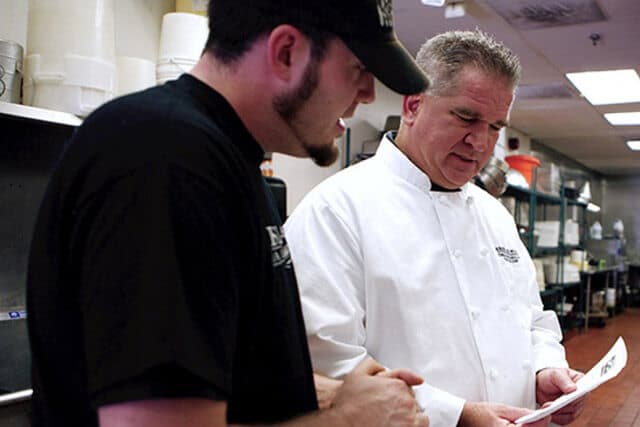
The Proper Roles and Responsibilities of the Field Consultant in Franchising
Andrew Seid, Senior Consultant, MSA Worldwide
At MSA, we talk a lot with our clients about the five tenets of successful franchising: Consistent, Sustainable, Replication, Communication and Culture(sm).
At the intersection of all five is the alignment between an independent business owner (the franchisee) and the intellectual property owner (the franchisor). And central to the success of that relationship sits one of the most often misunderstood and difficult roles in a franchise organization: the Field Consultant.
A Role Often Mischaracterized and Undervalued
Based on my observations across many franchise systems, Field Consultants are too often viewed by franchisees as little more than annoyances. In many systems, the role has been narrowed to that of an inspector, compliance officer, or salesperson for new products and services the franchisor wants to introduce. In other systems, Field Consultants function as operational firefighters – sent into the field to “fix” problems. Their role becomes diluted to checking boxes, verifying compliance with brand standards, and issuing a figurative ticket when standards are not met.
Given the frequency and purpose of visits, the quality of communication, limitations on availability, and the qualifications of those assigned to the role, the Field Consultant function is sometimes so diluted that it has effectively been eliminated altogether. When this occurs, franchise systems expose themselves to unnecessary operational, cultural, and legal risk.
The Strategic Purpose of the Field Consultant
When properly qualified, trained, empowered, and deployed with intent, the Field Consultant is not an enforcer. Their role is strategic.
The Field Consultant’s job is to connect the franchise system’s intended brand promise to unit-level execution. Field support exists to translate franchisor intent into operational reality. When utilized correctly, Field Consultants are among the most powerful tools a franchisor has for protecting the brand and enabling franchisee success. They also provide the franchisor with real-time intelligence about system health that cannot be replicated from headquarters.
Enabling Performance While Protecting the Brand
The Field Consultant arguably has the most challenging job in any franchise system. Unlike managers in company-owned environments, Field Consultants do not manage franchisees. They exist to serve the system, not to supervise independent owners.
Their role is designed to:
- Protect the brand and customer experience
- Enable franchisees to operate profitable, sustainable businesses
- Align unit-level execution with franchisor strategy
- Provide accurate, actionable feedback to the franchisor
Field Consultants have no authority over the day-to-day management or supervision of the franchisee’s business. Their authority rests in measuring how well franchisees meet brand standards and, more importantly, in the credibility they earn through their performance and relationships. To be credible, Field Consultants must be experienced operators who are trained in the additional skills necessary to support both franchisees and franchisors – particularly business coaching and consulting. They must be strategic enablers, not simply enforcers.
While compliance with brand standards is essential, compliance alone does not create strong franchise systems or healthy franchise relationships. Performance – operational, financial, and experiential – does. The Field Consultant’s value lies in improving outcomes while respecting the independence that defines the franchisor-franchisee relationship. That requires more than operational knowledge; it requires coaching, consulting, and active listening.
Coaching Independent Business Owners
Franchisees are independent business owners – not employees. No one working in a franchisee-owned business works for the franchisor, and the Field Consultant is not a manager or supervisor.
Field Consultants conduct visits in businesses they do not own, working with operators who have agreed to operate within a defined system. This distinction is fundamental. It is legal, cultural, and operational, and it must govern every field interaction.
Field Consultants must operate as coaches, not supervisors; advisors, not managers; performance enhancers, not bosses.
Because they are not present daily – or even regularly – the franchise relationship depends heavily on trust. Trust that franchisees will meet brand standards. Trust that Field Consultants respect franchisee autonomy. Building this trust materially improves compliance and alignment.
Authority in franchising does not flow through hierarchy, as it does in company-owned systems. Instead, it flows through credibility – earned through the quality of interactions and the value delivered. Effective Field Consultants influence performance through:
- Market and operational insight
- Clear understanding and communication of economic data
- Practical, relevant advice
- Active and effective listening
They do not command performance. They counsel franchisees on why certain actions are appropriate. Trust grows when franchisees believe the Field Consultant understands their business, unit economics, and long-term objectives. Great Field Consultants help franchisees make better decisions within system boundaries, and serve as mentors when needed.
Reinforcing Brand Standards Effectively
Brand standards define the customer experience and protect brand equity. Field Consultants are responsible for ensuring these standards are understood and executed consistently – through coaching, not policing.
Their role is to explain the rationale behind standards, objectively observe execution, identify gaps, and recommend corrective actions aligned with system policy.
To do this credibly, Field Consultants must be fluent in the language of business and have access to relevant, reliable, and current system information. They should be able to discuss:
- Sales trends and labor efficiency
- Margin and supply chain management
- Local marketing effectiveness
- Customer satisfaction and operational productivity
- Market penetration, growth, and succession planning
They must understand not only how to present information, but how to interpret it and contextualize it for the benefit of the franchisee.
The Franchisor’s Eyes and Ears
Field Consultants also serve as the franchisor’s eyes and ears. They surface systemic operational challenges, training gaps, emerging trends, franchisee sentiment, and franchisee ideas. They play a role in growth decisions, default assessments, and, when necessary, assisting both franchisor and franchisee in exit planning.
The intelligence provided by Field Consultants ensures that strategic decisions at headquarters are informed by real-world conditions rather than assumptions.
Governance, Joint Employment Risk, and Field Discipline
As regulatory scrutiny increases and proposals such as the American Franchise Act continue to evolve, Field Consultants remain on the front line of risk management. Statutory clarification alone will not insulate franchisors from joint-employment exposure, if field behavior contradicts franchisee independence.
How Field Consultants communicate, what they do on site, and where boundaries are drawn matter. Discipline in the field remains the most reliable protection against joint-employer and vicarious liability risk.
Managing Site Visits and Communications
One of the most common challenges in franchising is when to schedule field visits. While some franchisors still conduct field visits as a purely calendar-driven exercise, calendar discipline alone does not create value.
There is a well-worn philosophy that in-person field visits should have calendar discipline because that creates fairness, transparency, operational discipline, and improves span of control. Calendar-based visits allow franchisees to prepare, enable Field Consultants to manage territories responsibly, and signal the franchisor’s commitment to oversight and support. However, a visit cadence based solely on the calendar is inefficient and less effective than performance-based support that also includes virtual and remote touchpoints.
Support is most effective when calendar discipline is combined with performance-based prioritization and supplemented by virtual engagement. When material issues arise, face-to-face meetings remain the most effective method of communication. Visit duration should be driven by purpose, not uniformity.
Guidelines for Virtual Interaction
Field engagement should not be limited to scheduled visits. Effective field support integrates virtual interactions such as video conferences, dashboard reviews, and regular phone calls.
Appropriate virtual touchpoints allow Field Consultants to maintain continuity, address issues in real time, and reinforce accountability between visits without increasing cost. Field staff should regularly reach out to franchisees even if just staying in touch to enhance and strengthen the relationship with the franchisee.
- While convenient, text messages and email should rarely be the primary mode of communication – particularly during periods of tension or underperformance.
The objective of virtual interaction is not to replace in-person visits, but to supplement them in a way that keeps the Field Consultant connected to franchisee performance and system priorities between site visits.
Flexible Field Time and Understanding Franchisee by Class
High-performing systems recognize that not all franchisees require the same level of support at the same time. Equal treatment does not produce equal outcomes. Field time should flex based on key performance indicators and brand risk, including declining sales, margin pressure, customer experience scores, compliance trends, staffing instability, ownership changes, or rapid expansion.
At the same time, modern franchising is no longer limited to simply single unit and multi-unit franchisees. Franchising today involves a variety of different classes of franchisees, including single-unit owners, strategic multi-unit/multi-branded franchisees, private equity franchisees using management companies, and de novo developers, to name a few. Each class has different needs, resources, and economics. Having the same initial and continuing fees and unform rights and obligations between the franchisor and franchisee is driven more by disclosure issues than by any rational business sense. Designing and managing a franchise system by franchisee class improves the performance and economics of the system at each level and also enhances franchisee and developer recruitment.
Developing Franchisees through a Train-the-Trainer Model
Field Consultants are not meant to be the best operators in the system. They are meant to be the best developers of franchisees.
A scalable system embraces a train-the-trainer philosophy, strengthening the franchisee’s ability to recruit, train, lead, and hold their teams accountable. Improvement must persist after the consultant leaves. Success is measured not by what the consultant demonstrates, but by what the franchisee can sustain independently. This approach preserves the franchisee’s role as employer, and reduces co-employment and vicarious liability risk for the franchisor.
Clear Boundaries: What Field Consultants Must Not Do
Field Consultants are not supervisors and must never directly supervise franchisee employees. They do not discipline staff, manage schedules, resolve HR disputes, or work shifts.
While often well-intentioned, “helping out” blurs legal distinctions, creates joint-employment exposure, undermines franchisee authority, and establishes expectations that cannot scale. Operational distress is addressed through diagnosis and coaching – not substitution.
Decision-Making Authority: Speed with Guardrails
To be effective, Field Consultants must be empowered to make decisions within defined limits. Systems that escalate every judgment to headquarters undermine credibility and responsiveness. Well-designed systems grant limited but meaningful authority, such as:
- Adjusting compliance timelines within policy
- Approving minor operational variances
- Authorizing additional training or follow-up
- Prioritizing support based on KPI-driven risk
- Approving locally produced promotions, marketing, and advertising
- Initiating predefined escalation steps
Equally important are clear limits; escalation boundaries involving legal risk, material brand deviations, insolvency concerns, defaults, or system-wide policy changes. This balance enables responsiveness without sacrificing governance or consistency.
Publicly reversing Field Consultant decisions erodes authority and discipline. Corrections, when necessary, should be handled internally. The objective is not perfection – it is consistency, trust, and momentum. Absent bad faith, gross error, or catastrophic risk, the franchisor should stand behind the Field Consultant’s decisions.
Information: The Key to Credibility.
There is nothing as debilitating to a Field Consultant’s credibility and their ability to do their job than to have the franchisee know of material issues in the franchise system before the field staff. Keeping your field staff in the dark is the fastest way to undermine the Field Consultant’s credibility.
Field Consultants need to be regularly kept abreast of material issues that impact the franchisees and the system. As a group, Field Consultants should be informed of any initiatives or announcements that headquarters is poised to communicate, in advance of franchisees.
Documentation, Follow-Up, and Accountability
Every field visit should result in clear documentation, mutually understood action plans, defined ownership, and scheduled follow-up. Field reports are not administrative tasks; they are strategic intelligence.
The most effective Field Consultants measure their value not by activity, but by alignment and outcomes. They respect independence while protecting the brand, coach owners rather than employees, train leaders rather than replace them, and escalate responsibly when limits are reached.
In franchising, restraint is not weakness. It is discipline. And discipline is what allows systems to scale, brands to endure, and franchisees to succeed. Properly designed and properly deployed, the Field Consultant is not merely a support role. They are a cornerstone of franchise system health, governance, and long-term enterprise value.
Field Consultants rarely fail due to lack of effort. They fail because the role is poorly designed, inadequately governed, or inconsistently supported. Getting the Field Consultant role right is not an operational exercise – it is a governance decision that directly impacts brand integrity, franchisee performance, and enterprise value.
Designing an Effective Field Organization
Field support requires more than headcount or increasing visit frequency. It requires clarity of purpose, disciplined boundaries, defined authority, and organizational alignment. Franchisors that want to strengthen system performance while reducing operational and legal risk should understand whether their franchise offering and support is truly serving the brand, the franchisees, and the system as a whole. Sustainability is the key measurement of a successful franchise system.
As franchise systems mature – and as regulatory and litigation risk increases – franchisors should critically evaluate whether their Field Consultant model aligns with the realities of independent ownership, modern performance analytics, and long-term brand stewardship. Thoughtful reassessment today can prevent far more difficult corrections tomorrow.
For assistance in assessing and assisting you to deploy an effective field support organization, let the experienced professionals at MSA provide you with the guidance you need. Andrew Seid can be reached at aseid@msaworldwide.com or (860) 604-9189.